- scrc.us.com
- Compare
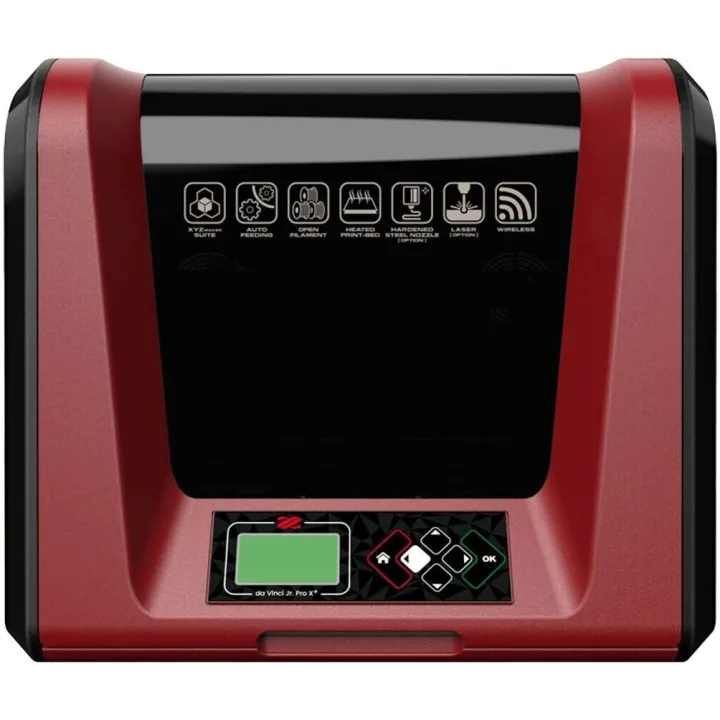
- M5C vs da Vinci Junior Pro X+
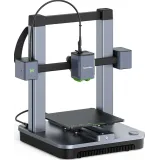
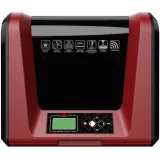
AnkerMake M5C vs XYZprinting da Vinci Junior Pro X+
What M5C does better (7) and where da Vinci Junior Pro X+ wins (1) — every spec side by side.
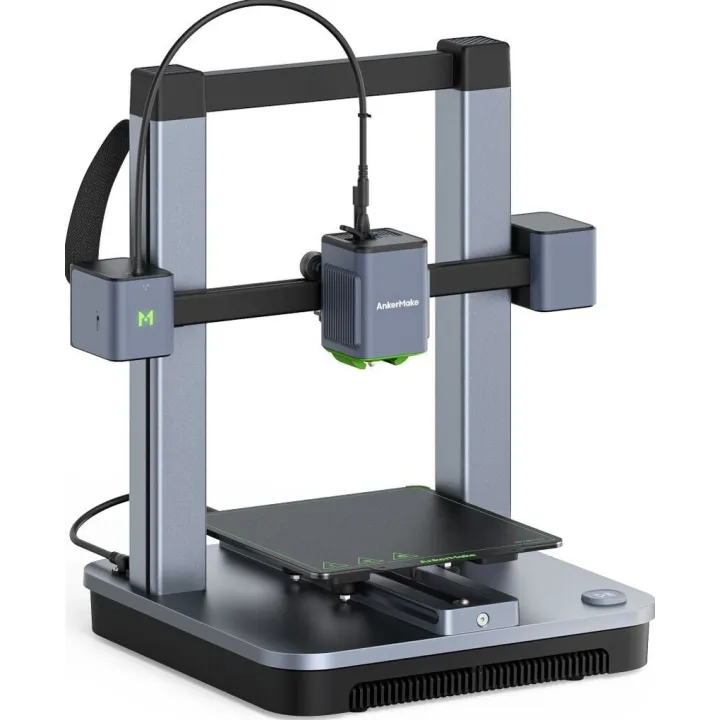
vs
4.6Print quality9.8
4.5Build volume2.7
Dimensions
Size comparison
M5Cda Vinci Junior Pro X+
| M5C | da Vinci Junior Pro X+ | Difference | |
|---|---|---|---|
| Height | 480 mm | 380 mm | +100 mm |
| Width | 466 mm | 420 mm | +46 mm |
| Depth | 347 mm | 430 mm | −83 mm |
| Weight | 9.6 kg | 15 kg | −5.4 kg |
Drawn to the same scale from the official dimensions (front and side).
Why is M5C better than da Vinci Junior Pro X+?
- Build volume12.1 L vs 5.4 L2.2×
- Engineering materials (PA, PC, CF)Yes · da Vinci Junior Pro X+: No
- Number of supported materials9 vs 24.5×
- Build height (Z)250 mm vs 175 mm+43%
- Weight9.6 kg vs 15 kg+56%
- Build width (X)220 mm vs 175 mm+26%
- Build depth (Y)220 mm vs 175 mm+26%
Why is da Vinci Junior Pro X+ better than M5C?
- Finest layer height0.1 mm vs 0.01 mm10×
Specifications
Side by side
| General | ||
| Technology | FDM / FFF (filament) | FDM / FFF (filament) |
| Motion system | Bed-slinger (i3-style) | — |
| Delivered as | Partially assembled | — |
| All-metal frame | Yes | — |
| Build volume | ||
| Build width (X) | 220 mm | 175 mm |
| Build depth (Y) | 220 mm | 175 mm |
| Build height (Z) | 250 mm | 175 mm |
| Build volume | 12.1 L | 5.4 L |
| Speed | ||
| Max print speed | 250 mm/s | — |
| Print quality | ||
| Finest layer height | 0.1 mm | 0.01 mm |
| Thickest layer height | 0.4 mm | 0.4 mm |
| Vibration compensation (input shaping) | Yes | — |
| Automatic bed levelling | Yes | — |
| Extruder & hotend | ||
| Max nozzle temperature | 300 °C | — |
| Direct-drive extruder | Yes | — |
| Default nozzle | 0.4 mm | 0.4 mm |
| Nozzle material | brass | — |
| Swappable nozzle / hotend | Yes | — |
| Toolheads | 1 | 1 |
| Nozzles | 1 | 1 |
| Filament diameter | 1.75 mm | 1.75 mm |
| Supported materials | ABS, Flex, PA, PET, PETG, PLA, TPC, TPE, TPU | PETG, PLA |
| Number of supported materials | 9 | 2 |
| Engineering materials (PA, PC, CF) | Yes | No |
| Print bed | ||
| Heated bed | Yes | Yes |
| Max bed temperature | 100 °C | — |
| Flexible magnetic build plate | Yes | — |
| Connectivity & control | ||
| Connectivity | Wi-Fi, USB, Bluetooth | Wi-Fi, USB, SD card |
| Wi-Fi | Yes | Yes |
| Ethernet | No | No |
| USB | Yes | Yes |
| SD card | No | Yes |
| Bluetooth | Yes | No |
| App control | Yes | — |
| Cloud printing | Yes | — |
| Screen size | — | 2.6″ |
| Touchscreen | No | No |
| Features | ||
| Built-in camera | No | — |
| Filament runout sensor | Yes | — |
| Power-loss recovery | Yes | — |
| Size & power | ||
| Width | 466 mm | 420 mm |
| Depth | 347 mm | 430 mm |
| Height | 480 mm | 380 mm |
| Weight | 9.6 kg | 15 kg |
| Rated power | 350 W | — |